


Elevator safety regulations 2026: ASME A17.1/CSA B44, EN 81, and GB 7588 explained for building owners and facility teams
Imagine stepping into an elevator. The doors glide shut, the car moves, and you arrive safely without a second thought. That quiet reliability is the product of safety codes that are revised and enforced across regions to protect passengers, technicians and building teams every day. In 2026, understanding the current rulebook matters more than ever.
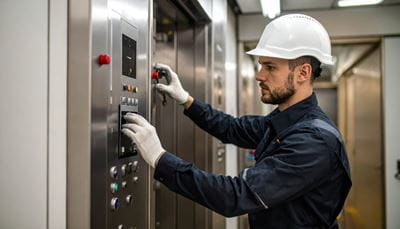
What makes elevators safe today
North American standards (ASME and CSA)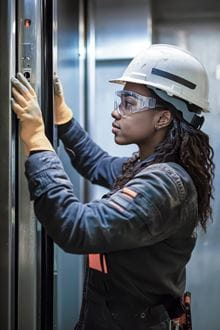
North America’s foundation is ASME A17.1‑2025 alongside Canada’s CSA B44‑2025. Together they define how elevators are designed, installed, tested, inspected, maintained and how emergency communication works, and they are intended to safeguard life and public welfare as jurisdictions adopt them.
European standards (EN)
Across Europe, the EN 81 series sets the baseline, with EN 81‑20 specifying comprehensive passenger‑elevator requirements that include rigorous lifecycle and simulation expectations used widely beyond the EU.
Chinese standards (GB)
China’s GB 7588 framework adds layers such as fast‑acting unintended car movement protection, and some local rules require defined rescue‑response times for trapped passengers, underscoring a strong focus on incident readiness.
United Kingdom standards (CEN)
In the UK, practitioners align with BSI while using CEN, CENELEC and ISO references; CIBSE’s Society of Vertical Transportation maintains a continuously updated portal to help professionals navigate the evolving code set.
The codes you need to know in 2026
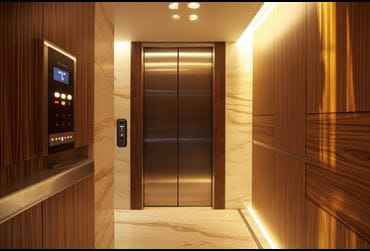 United States and Canada practice codes
If you operate in the United States or Canada, the operative documents are ASME A17.1‑2025 and CSA B44‑2025. They cover new installations and define requirements for operation, alteration and repair, giving authorities a structured basis for adoption and enforcement.
European practice codes
If you work in EU markets or in regions that follow European practice, the EN 81 family applies. EN 81‑20 remains the primary passenger‑elevator reference and is widely treated as the “common language” across borders for core safety provisions.
China practice codes
If you serve Chinese projects, GB 7588 governs core protections, including unintended car movement rules with very fast response thresholds, and certain provinces publish time‑bound rescue expectations that building owners must plan for.
Key changes you should know about
Elevator safety rules continue to evolve, and the latest updates place stronger focus on day‑to‑day protection, clearer communication and better support for all passengers. Here is a simple look at what has changed and why it matters for your building.
Stronger door safety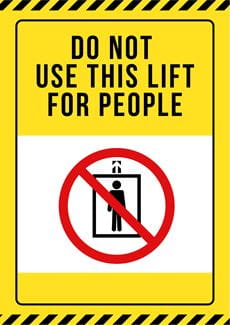
The newest standards ask elevators to do more than rely on basic sensors. Doors are now expected to recognise smaller movements and objects, including mobility aids and young children, so they do not close too early. It’s a quiet upgrade, but it makes a meaningful difference in preventing accidents.
Better emergency communication
Elevators can no longer depend only on old‑style phone boxes. Modern codes expect clear, two‑way voice communication that works for a wide range of passengers, including those with hearing challenges. This makes it easier for anyone in distress to speak directly with help.
Improved fire and earthquake readiness
Buildings in regions with higher natural‑disaster risks now see stricter requirements. Elevators must return automatically to designated floors and use improved fire‑rated materials so people can exit safely during emergencies. These steps add stability and reduce risk during the moments that matter most.
Accessibility that works for everyone
Updated guidelines expand the expectations for control panels, button sizes and tactile markings. These small details make a big impact, helping passengers with disabilities navigate the car more confidently and independently.
How building owners can stay compliant and prepare
- Book a compliance review
Ask a certified elevator specialist to assess your system against the current cycle of requirements. You’ll get a clear list of what is already compliant and what needs attention. - Plan targeted modernisation
If your equipment is older, selective upgrades to doors, controls and communication often deliver better value than constant patching. A small plan now avoids larger retrofits later. - Budget before deadlines
Set aside funds for hardware and software changes early. Owners who plan ahead avoid rush costs and scheduling bottlenecks during inspection windows. - Keep clean maintenance records
Detailed service logs show that inspections, tests and repairs follow the code
Who writes and updates elevator safety rules
ASME develops A17.1 in partnership with stakeholders, while CSA publishes B44 for Canada. In Europe, CEN maintains the EN 81 series that many markets adopt or reference. The UK’s BSI collaborates with CEN, CENELEC and ISO, and CIBSE’s SoVT curates a live standards portal that links practitioners to the latest documents and changes.
The bottom line
Codes differ by region, but the intent is the same everywhere. Protect people. Reduce risk. Keep vertical transportation reliable. Knowing the essentials of ASME A17.1/CSA B44, EN 81 and GB 7588 helps owners and facility teams plan upgrades confidently, pass inspections and support the everyday trust people place in every ride.
How Nidec Elevator supports better energy performance
At Nidec Elevator, we help building owners, architects, developers and facility teams understand elevator energy in simple, practical terms. Our approach focuses on solutions that improve comfort and efficiency without overwhelming you with technical details.
We design, support and modernise systems that move people smoothly and sustainably, creating better performance for every type of building.
Want to understand how the latest safety rules impact your elevators and what they mean for your building?
Speak with our team for a clear, easy conversation about practical improvements you can make today.
or call us on 330.833.3600 | 916.463.9200 | 330.734.3600